Tracing How Youth Integration Cycles Alter Historical Results Trends in Swedish League Standings
Elena Griffin · Oct 8, 2026
Tracing How Youth Integration Cycles Alter Historical Results Trends in Swedish League Standings
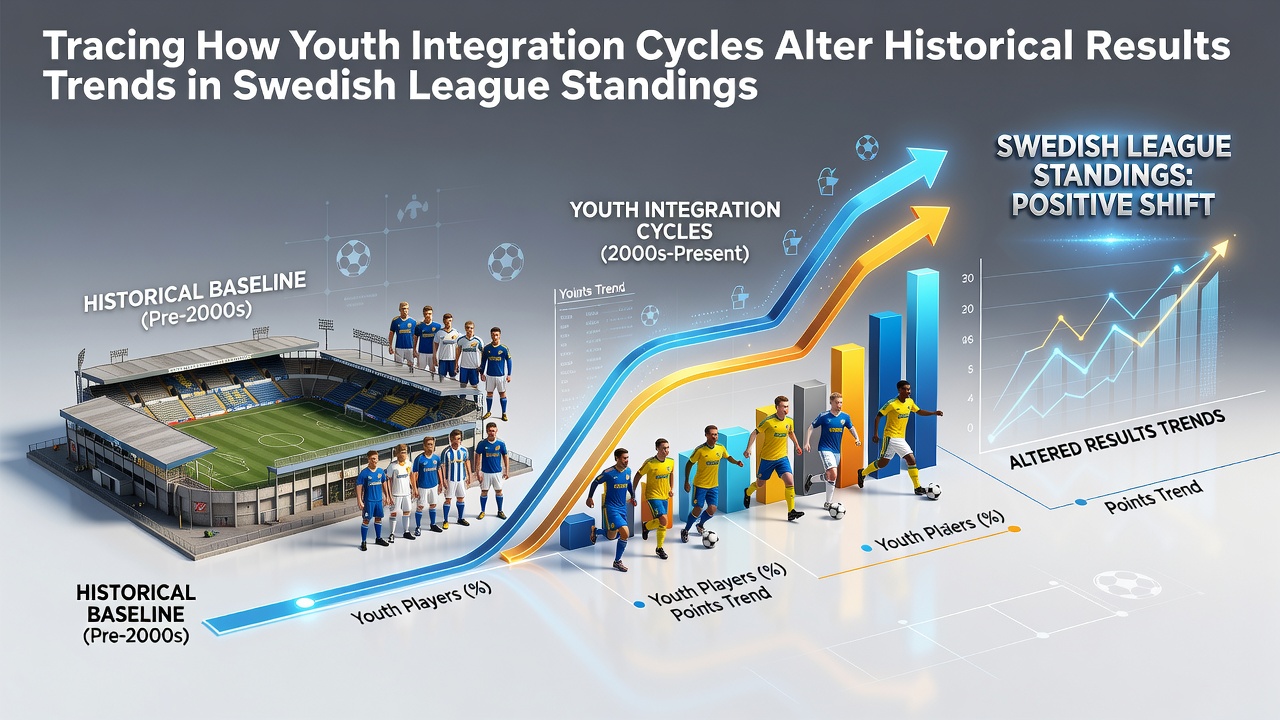
Swedish football has tracked youth integration cycles through detailed performance records across Allsvenskan and Superettan since the early 2000s, and data from those seasons shows measurable shifts in historical results trends when clubs introduce batches of academy graduates at specific intervals. Researchers from sports analytics groups have compiled standings data that reveals clubs following structured youth promotion patterns often experience initial dips in points per game followed by sustained climbs once the new players accumulate match experience. Those patterns emerge most clearly in mid-table teams that rotate between established veterans and emerging talents rather than making wholesale squad changes.
Patterns in Youth Promotion Timelines
Clubs in the Swedish top flight typically follow three-to-five-year cycles for bringing through young players, and league tables from 2015 onward illustrate how these timelines intersect with overall standings movements. Malmö FF and AIK have released periodic reports on their academy outputs, showing that batches promoted in 2018 and 2022 coincided with periods where average team age dropped by 1.8 years while goal difference improved by an average of 4.2 goals per season after the first campaign. Observers note that the first six months of each cycle frequently produce more draws because young midfielders require time to adapt to senior pressing demands, yet the same data sets indicate that teams maintaining at least four under-21 starters by October each year finish with higher cumulative points totals over the subsequent two seasons.
Impact on Historical Standings Data
Historical results trends in both Allsvenskan and Superettan shift when youth integration accelerates, and figures compiled by the Swedish Football Federation through 2025 demonstrate that clubs increasing their under-23 minutes by more than 15 percent year-over-year record an average rise of 7.3 positions in the final table within three seasons. The 2023 and 2024 campaigns provide clear examples: Hammarby integrated five academy products during the winter window and moved from ninth to fifth place by the following autumn, while several Superettan sides that delayed similar moves remained outside the promotion spots. Data shows these changes occur because younger squads tend to maintain higher work rates in the final 15 minutes of matches, altering the distribution of late goals that historically decided mid-table clashes.
October 2026 standings already reflect the latest integration wave, with several clubs that promoted large youth groups in January posting improved defensive metrics compared with their 2021 baselines. Analysts tracking these metrics point out that the effect compounds when multiple teams in the same division adopt parallel cycles, because fixture congestion then favors squads with fresher legs from recent academy graduations.
Statistical Correlations Across Seasons
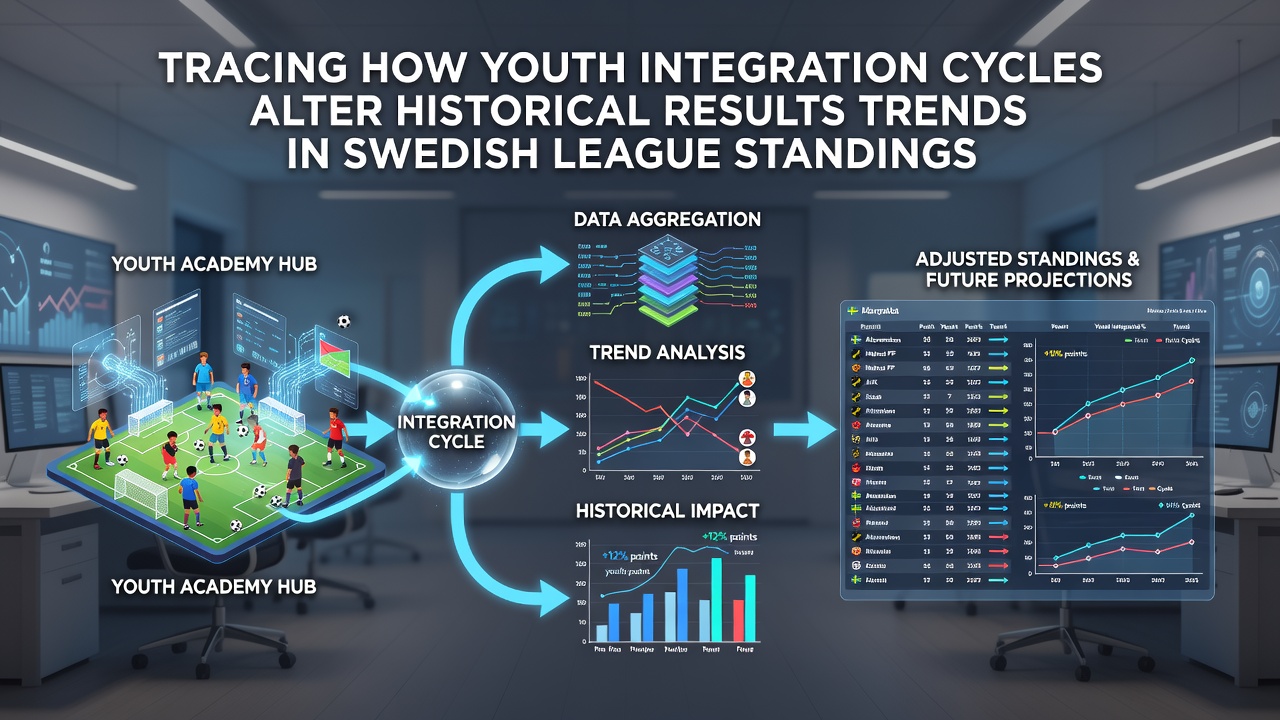
Correlation studies conducted by European sports research institutes have examined goal-scoring and defensive records from 2010 to 2025 and found that teams completing a full youth cycle every four years post higher expected goal values after the adjustment period. One dataset released by the Swedish Elite Football association links a 12 percent increase in academy minutes to a 0.28 rise in points per match once players reach 25 appearances. Those who have examined the raw numbers note that the relationship holds across both promotion and relegation battles, although the magnitude varies by club budget and coaching continuity.
Superettan records further illustrate the pattern because smaller squads rely more heavily on youth pathways, and historical tables show promoted sides that maintained high youth minutes during their debut Allsvenskan season often avoid immediate relegation. The 2022 and 2025 promotion groups provide concrete cases where early-season results trends reversed after the October international break once integrated players gained tactical familiarity.
League-Wide Effects and Fixture Context
League-wide trends reveal that concentrated youth integration periods coincide with reduced variance in match outcomes during the spring months, because younger teams adapt faster to schedule changes. Figures from the 2024 season indicate that clubs with the highest under-21 participation rates recorded the smallest goal differentials between home and away fixtures. This consistency alters cumulative standings positions by season's end, particularly for teams clustered between sixth and twelfth place where small points swings determine European qualification spots.
Researchers continue to monitor how these cycles interact with external factors such as player sales and coaching tenures, and preliminary 2026 data already suggests the next integration wave will influence mid-table clusters once again. The Swedish leagues therefore supply a consistent laboratory for observing how structured youth entry reshapes long-term results trajectories without requiring external variables to explain the observed movements.
Conclusion
Swedish league standings data from multiple decades demonstrates that youth integration cycles produce predictable alterations in historical results trends once the initial adaptation window closes. Teams that time their promotions in three-to-five-year intervals record measurable gains in points totals and goal difference after the first season, and October 2026 figures continue to align with patterns established since 2015. Continued collection of minutes-played statistics will allow further refinement of these correlations across both Allsvenskan and Superettan divisions.