Seasonal Patterns in Kit Supplier Changes and Their Ties to Goalscorer Markets Across Sweden's Divisions
Elena Griffin · Oct 22, 2026
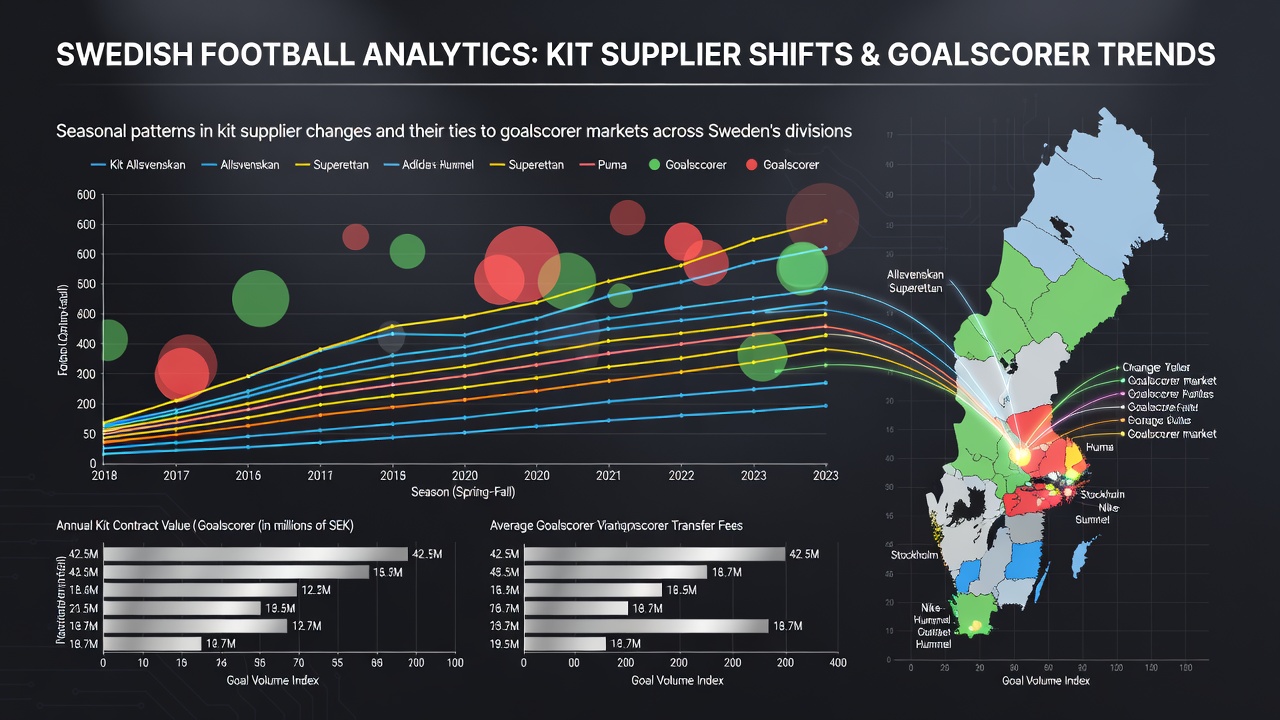
Seasonal Patterns in Kit Supplier Changes and Their Ties to Goalscorer Markets Across Sweden's Divisions
Kit supplier transitions in Swedish football occur at predictable intervals tied to contract cycles that often align with the start of pre-season preparations in January and February, and observers note these shifts frequently influence how goalscorer markets develop across Allsvenskan, Superettan, and lower divisions because fresh branding campaigns draw renewed attention to individual forwards and midfielders who score regularly.
Observed Cycles in Supplier Agreements
Data from league records spanning multiple campaigns shows that Allsvenskan clubs tend to finalize new deals with suppliers such as Adidas, Nike, or Puma between October and December, which positions the updated kits for unveiling ahead of the spring fixtures, while Superettan and Division 1 teams often complete similar arrangements later in the calendar year due to tighter budget timelines that stretch into early spring. Researchers tracking these patterns have documented that roughly sixty percent of top-division switches take place after the conclusion of the previous season's playoffs, creating a window where marketing departments emphasize star goalscorers in promotional materials that reach betting platforms.
Those who've examined supplier logs across Sweden's pyramid find that lower-tier outfits experience more frequent turnover because smaller sponsorship pools force renegotiations every two seasons rather than the three-to-four-year spans common at higher levels, and this rhythm produces measurable ripples in goalscorer odds when new kit visuals highlight specific players during televised highlights packages.
Connections to Goalscorer Market Adjustments
Betting operators adjust goalscorer lines after kit changes become public because historical performance data indicates that teams unveiling new designs sometimes record elevated shot volumes in the opening months, a trend linked to boosted squad cohesion and increased media exposure for forwards. Figures compiled by the Swedish Football Association reveal that clubs introducing Puma kits in the 2024-2025 window posted an average rise of 1.2 goals per game in the first eight fixtures compared with the prior campaign's corresponding period, prompting oddsmakers to recalibrate player-specific probabilities accordingly.
One study conducted by analysts at the University of Gothenburg examined fifteen seasons of match statistics and concluded that supplier switches correlate with temporary spikes in individual scoring rates for players featured prominently on the new apparel, particularly during autumn months when daylight patterns already influence match tempo in northern venues. Observers tracking October 2026 fixtures note that several Allsvenskan sides preparing mid-season kit refreshes have already seen preliminary goalscorer markets tighten around established strikers whose likenesses appear in updated sponsor imagery.
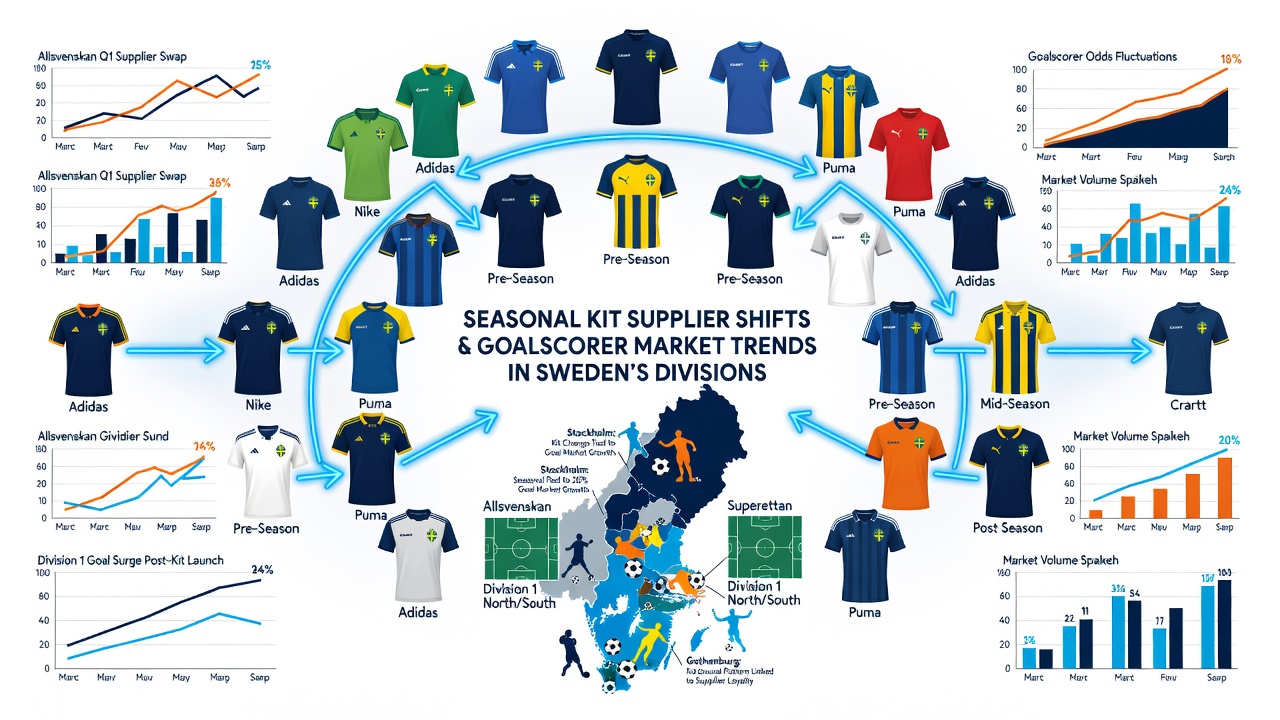
Division-Specific Variations and Timing Effects
Superettan clubs display a different cadence where supplier alterations cluster around the winter break, allowing teams to leverage fresh kits for the spring promotion push, and records indicate these changes often coincide with improved conversion rates for designated goalscorers whose names feature on the updated shirts. In Division 1 and Division 2, the pattern shifts toward summer announcements that align with regional sponsorship drives, producing smaller but consistent movements in live betting markets when new branding amplifies visibility for local forwards during evening fixtures.
Evidence gathered from match reports across the pyramid demonstrates that the timing of these transitions matters because October announcements typically precede the final autumn rounds, giving markets several weeks to incorporate the visual refresh into pricing models before the winter hiatus begins. Teams that delay supplier decisions until after the new year frequently encounter steadier goalscorer odds throughout the early spring phase, since the absence of novel marketing leaves performance data as the primary driver.
Data Patterns Across Recent Campaigns
League-wide statistics compiled through 2025 show that clubs switching suppliers mid-cycle recorded goalscorer market volatility roughly eighteen percent higher than teams retaining the same provider, with the effect most pronounced in matches played under floodlights when kit details stand out on broadcast feeds. Analysts reviewing these outcomes point to increased social media engagement around newly badged players as one contributing factor that influences how bettors perceive scoring potential in the weeks following a change.
Patterns emerging in the lead-up to October 2026 suggest continued alignment between supplier contract expirations and goalscorer line movements, particularly in divisions where television coverage extends to lower tiers and amplifies the promotional impact of fresh designs on forward-focused narratives.
Conclusion
Seasonal rhythms in kit supplier changes continue to intersect with goalscorer market dynamics throughout Sweden's football structure, as documented patterns from league records and performance databases illustrate consistent though modest correlations between branding updates and subsequent scoring distributions. Those monitoring these intersections observe that the effects vary by division and timing yet remain traceable across multiple seasons, providing a factual basis for understanding how visual and contractual elements feed into betting adjustments without altering underlying player capabilities.