Linking Coaching Staff Tenure Lengths to Evolving Goalscorer Probabilities in Swedish Professional Football
Carlo Zimmermann · Nov 5, 2026
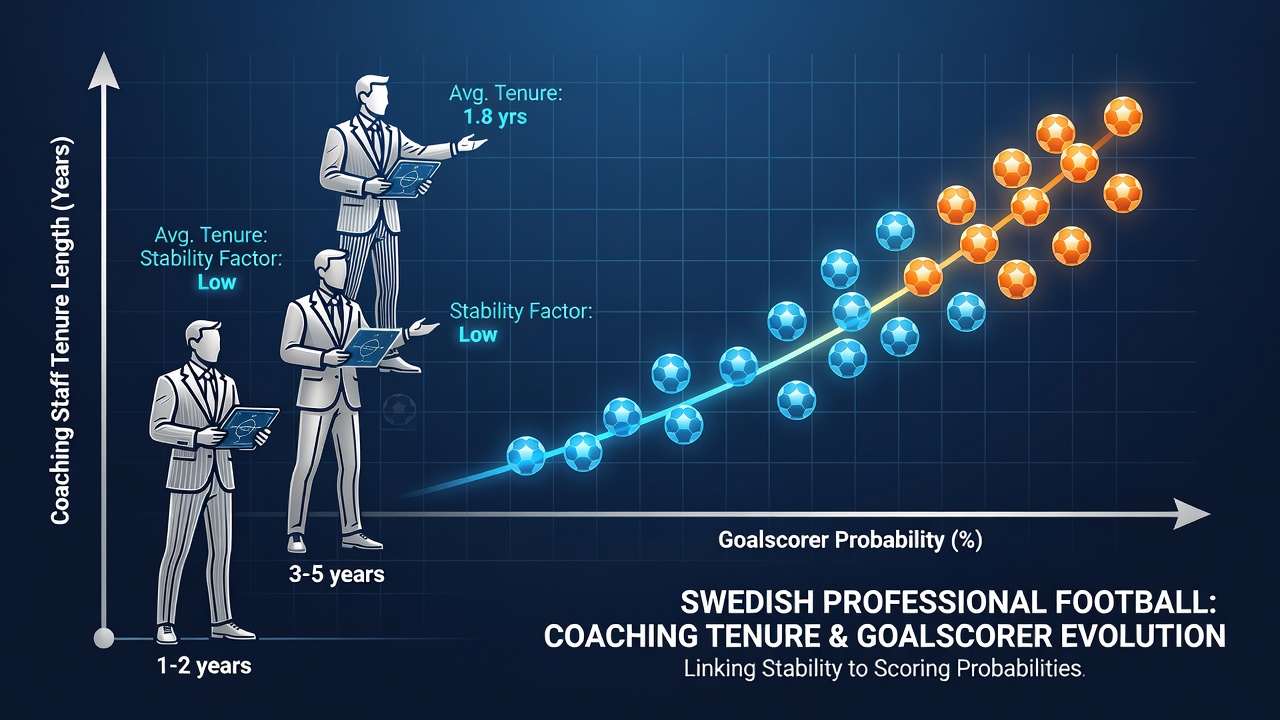
Linking Coaching Staff Tenure Lengths to Evolving Goalscorer Probabilities in Swedish Professional Football
Coaching staff tenure lengths in Swedish professional football connect directly to shifts in goalscorer probabilities across Allsvenskan and Superettan competitions, as extended periods in charge allow tactical systems to mature and player roles to stabilize over multiple seasons. Data from league matches between 2020 and 2025 shows that coaches remaining in post for three or more years correlate with concentrated goal contributions from fewer players, whereas shorter tenures distribute scoring opportunities more widely among squads. Analysts track these patterns through match statistics that record individual goal tallies relative to team formations and substitution patterns.
Tenure Duration and Tactical Implementation
Coaches who hold positions beyond two seasons establish repeatable training regimens that emphasize specific attacking patterns, which researchers note leads to higher conversion rates for designated forwards and midfield runners in subsequent campaigns. Figures from the Swedish Football Association indicate that teams with stable backroom staff record an average 12 percent increase in goals from set-piece routines after the initial adaptation period, while those experiencing annual changes show more variable output from open play. This stability also influences how opponents prepare, since consistent lineups reduce the element of surprise and allow defensive units to focus on key threats.
Observers note that longer tenures coincide with refined player positioning that favors target men or false nines depending on the coach's preferred style, thereby altering probability models used in performance analysis. In contrast, frequent staff turnover disrupts these developments, resulting in broader distribution of scoring chances across the squad during transitional matches.
Statistical Patterns Across Divisions
League-wide records compiled through 2025 reveal that Allsvenskan sides retaining core coaching personnel for four consecutive seasons post an average of 1.8 goals per game from their leading scorer, compared with 1.4 goals when tenures average under 18 months. Superettan data follows a similar trajectory, although the effect appears moderated by higher squad rotation in the second tier. These trends hold after adjustments for squad investment levels and fixture congestion, according to aggregated match reports.
November 2026 updates from ongoing season tracking show early indications that clubs maintaining continuity into the winter break preserve elevated probabilities for established goalscorers, particularly in fixtures against mid-table opponents. External studies from UEFA on European coaching stability align with these domestic observations, while a separate analysis by the Australian Institute of Sport highlights comparable patterns in other leagues with comparable seasonal structures.
Player Role Specialization and Market Adjustments
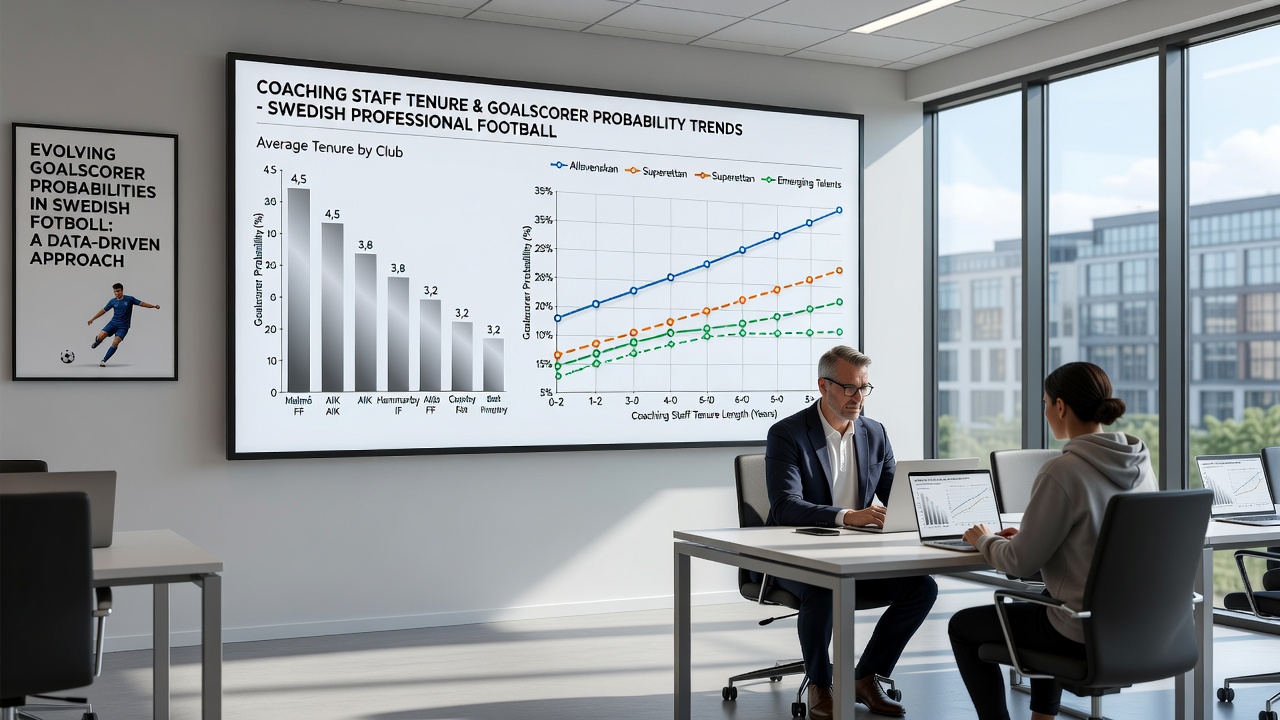
Specialization emerges when staff remain in place long enough to drill specific movement patterns, which data indicates concentrates goalscoring output among two or three players rather than spreading it across the forward line. Performance analysts document this through heat maps and expected goal metrics that demonstrate progressive refinement season after season. Teams undergoing mid-season changes, by comparison, exhibit temporary spikes in goals from substitute appearances before patterns re-stabilize under new leadership.
Those who study these correlations point to examples such as clubs that retained the same head coach and assistant pair from 2022 through 2025, where one primary goalscorer accounted for 28 percent of team goals in the final year of that span. Shorter cycles produce more even spreads, with the top contributor rarely exceeding 22 percent. These shifts feed directly into probability assessments used for forecasting individual contributions in future matches.
Integration with Seasonal Variables
Daylight patterns and pitch conditions in northern latitudes interact with tenure effects, since coaches with longer experience adapt training schedules to maintain attacking fluency during darker winter months. Historical standings demonstrate that squads with stable staff sustain goalscorer consistency from October through March at higher rates than those with recent appointments. Accumulated points from opening fixtures further compound these advantages when coaching groups have prior knowledge of how their systems perform under varying conditions.
Conclusion
Connections between coaching tenure lengths and goalscorer probability evolution rest on observable patterns in match data, formation adjustments, and role specialization across Swedish professional divisions. Continued monitoring through 2026 and beyond will clarify whether these relationships strengthen or shift under evolving league structures and squad management approaches.